
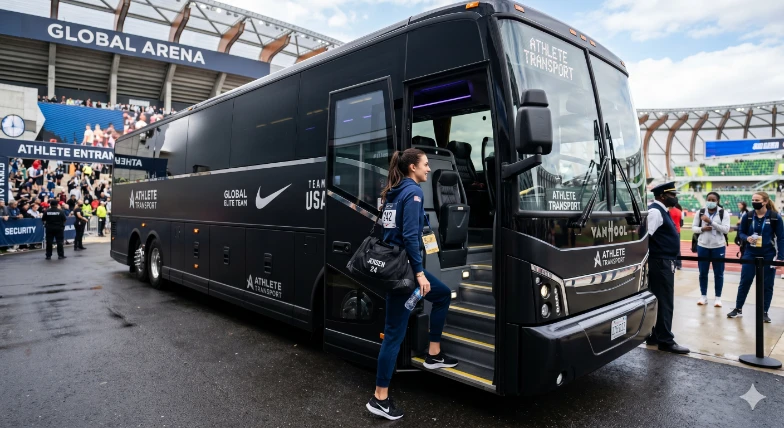
Super Bowl week creates one of the most operationally demanding transportation environments in the country. Executives, athlete business managers, sponsors, media teams, senior lifestyle managers, and corporate travel coordinators must manage movements across airports, hotels, stadiums, production venues, private events, and security-sensitive locations under constantly changing conditions.
This is not routine event transportation. It is high-visibility, multi-location coordination where schedules, public perception, and client experience are directly affected by execution.
For executive assistants, athlete representatives, corporate travel leaders, and personal assistants supporting high-profile principals, transportation during Super Bowl week must operate as a centralized system not as a series of independent bookings.
Reliable chauffeurs service in USA during major sporting events requires structured planning, centralized oversight, real-time communication, and locally informed operational coordination across every movement.
Understanding the Complexity of Super Bowl Week Transportation
Super Bowl week places extraordinary pressure on transportation infrastructure throughout the host city. Commercial airports, private aviation terminals, luxury hotels, entertainment districts, and stadium corridors experience unusually high traffic volumes, restricted access zones, and rapidly changing movement conditions. At the same time, executives, athletes, sponsors, and VIP guests often maintain highly dynamic schedules involving:
- Airport arrivals and departures
- Media appearances
- Sponsor obligations and brand activations
- Team functions and private dinners
- Production studios and interview locations
- Corporate hospitality events
- Security-sensitive movements
- Multi-location evening schedules
Because these engagements are tightly scheduled and highly visible, transportation delays can quickly affect multiple meetings, appearances, and coordinated movements throughout the day. At this level, transportation is no longer a booking function it becomes a centralized operational system.
1. Plan Around Full Itineraries, Not Individual Trips
Executives and athletes attending Super Bowl week rarely move between only two locations. Most schedules involve continuous movement throughout the day across multiple venues and operational environments. Executive transportation planning should therefore align with the complete itinerary rather than isolated transfers.
Typical movement milestones may include:
- Private aviation arrivals
- Hotel check-ins and security coordination
- Sponsor meetings and media appearances
- Stadium access and credential checkpoints
- Corporate events and hospitality functions
- Evening networking and private gatherings
Transportation must be mapped around the entire sequence to preserve continuity as schedules evolve throughout the day. Planning around movement milestones rather than individual reservations reduces operational risk and improves schedule predictability.
2. Account for Stadium Restrictions and Citywide Congestion
Traffic congestion during Super Bowl week is unavoidable. Stadium districts, entertainment zones, production areas, and major hotels often experience rolling street closures, restricted pickup access, and unpredictable traffic spikes.
Transportation planning must account for:
- Stadium security perimeters
- Temporary road closures
- Restricted curb access near venues
- Heavy rideshare congestion
- Motorcade or VIP movement interruptions
- Event staging areas and media zones
Arrival windows should be structured with realistic buffers that reflect actual event conditions rather than standard city travel times. Understanding these operational realities allows executive transportation schedules to remain controlled even when the city is operating under unusual conditions.
3. Maintain Centralized Coordination Across All Movements
Fragmented transportation arrangements during Super Bowl week create unnecessary operational risk. Executives, athletes, and VIP guests often move between hotels, stadiums, private venues, production studios, and sponsor events throughout the day. Effective executive transportation coordination treats all movements as part of one unified operational system.
Centralized transportation management should include:
- A single point of oversight for all active itineraries
- Continuous communication with chauffeurs and operations teams
- Real-time visibility across schedules and locations
- Unified movement standards throughout the event week
- Escalation procedures for schedule changes or disruptions
This structure reduces confusion, improves continuity, and allows executive assistants, lifestyle managers, and athlete representatives to maintain control without supervising each movement individually.
4. Build Buffer Strategy Into Every Schedule
During Super Bowl week, even short distances may require significantly longer travel times due to congestion, security restrictions, and event activity.
Transportation timelines should incorporate additional time for:
- Stadium access checkpoints
- Heavy traffic near host venues
- Hotel loading delays
- Security screening procedures
- Restricted routing near media zones
For high-profile principals, even minor delays can become visible disruptions that affect schedules, appearances, and professional perception.
Structured buffer planning protects continuity throughout the day.
5. Establish Clear, Discreet Communication Protocols
Executives, athletes, and VIP guests rarely have time to manage transportation details directly. Clear and discreet communication ensures movements occur smoothly without unnecessary involvement from the traveler.
Effective executive transportation communication should include:
- Confirmed departure windows
- Clearly defined pickup procedures
- Real-time operational updates
- Direct communication channels for assistants and coordinators
- Immediate escalation support when schedules change
Providing concise operational clarity allows principals to move confidently between engagements while transportation remains managed quietly behind the scenes.
6. Leverage Local Super Bowl Transportation Knowledge
Each Super Bowl host city presents unique operational challenges. Local knowledge becomes critical when managing executive and athlete transportation within restricted, high-density environments.
Experienced transportation coordination teams understand:
- Stadium perimeter operations
- VIP access procedures
- Optimal pickup and staging locations
- Traffic flow patterns around event venues
- Hotel access limitations during major events
- Local law enforcement and security restrictions
These operational details often have a greater impact on schedule reliability than distance alone.
7. Monitor Real-Time Conditions Throughout the Day
Super Bowl schedules change constantly. Meetings run late, appearances shift locations, and traffic conditions evolve throughout the event period.
Transportation coordination should therefore rely on continuous operational monitoring rather than fixed schedules.
Real-time oversight may include:
- Flight tracking for incoming executives and athletes
- Live traffic monitoring
- Chauffeur communication updates
- Route adjustments during congestion spikes
- Alternate pickup coordination when access conditions change
Continuous monitoring allows executive transportation teams to maintain control even when conditions shift unexpectedly.
8. Coordinate Multiple VIPs Within One Operational Plan
Corporate leadership teams, athlete groups, sponsors, media personalities, and private principals are often moving simultaneously during Super Bowl week.
Managing these movements independently creates unnecessary complexity. Centralized coordination allows multiple VIPs to operate within one structured transportation
system by:
- Tracking movements across all principals
- Coordinating staggered arrivals and departures
- Managing multiple venues simultaneously
- Maintaining visibility across the entire itinerary
- Synchronizing vehicle positioning and timing
This structure allows executive assistants, athlete business managers, and lifestyle managers to manage multiple high-profile schedules without operational fragmentation.
9. Establish Escalation Procedures Before the Event Begins
Super Bowl environments are highly dynamic. Last-minute venue changes, extended meetings, security restrictions, or traffic disruptions can affect movement schedules throughout the day. Transportation plans should include clear escalation procedures before event operations begin.
Effective escalation structures may include:
- Defined operational decision points
- Alternate routing strategies
- Backup vehicle planning
- Immediate access to coordination support
- Direct communication channels for assistants and security teams
Well-structured escalation absorbs disruption quietly without exposing complexity to the principal.
10. Secure Transportation Capacity Early
Executive airport transportation demand during Super Bowl week consistently exceeds normal city capacity, especially near airports, luxury hotels, private aviation terminals, and event venues.
Securing executive transportation early allows planners to:
- Confirm centralized operational oversight
- Align transportation with event schedules
- Coordinate airport and FBO movements
- Establish contingency plans for schedule changes
- Ensure consistent coverage throughout the event week
Early planning protects continuity during one of the busiest and most operationally complex event weeks in the country.
FAQ
How do athlete managers coordinate transportation during Super Bowl week?
Athlete managers typically coordinate transportation through a centralized operational structure rather than booking vehicles individually. This allows airport transfers, media appearances, sponsor events, and security-sensitive movements to operate under one unified system with consistent communication and real-time oversight.
Why is transportation during Super Bowl week so difficult?
Super Bowl week creates unusually high traffic volumes, stadium security restrictions, road closures, and limited pickup access near major venues. At the same time, executives, athletes, sponsors, and media teams maintain tightly scheduled itineraries across multiple locations throughout the city.
Should Super Bowl transportation be booked individually or centrally?
Transportation during major events should be managed centrally rather than through fragmented bookings. Centralized coordination improves communication, maintains consistent service standards, and allows movements across hotels, airports, stadiums, and private events to operate within one controlled system.
How early should executive transportation be booked for Super Bowl week?
Executive transportation should be secured as early as possible once schedules are confirmed. Demand during Super Bowl week often exceeds available capacity, particularly near private aviation terminals, luxury hotels, and major event venues.
How are multiple VIPs coordinated across different venues during Super Bowl week?
Multiple VIPs are best coordinated through a centralized transportation management structure that provides visibility across all active itineraries, synchronized vehicle positioning, and real-time communication between chauffeurs, assistants, and operations teams.
Conclusion
Coordinating executive and athlete transportation during Super Bowl week requires more than arranging vehicles between locations. It requires structured operational control across constantly changing schedules, venues, security environments, and high-visibility movements.
For senior lifestyle managers, athlete business managers, executive assistants, personal assistants, and corporate travel leaders, the benefits of using a professional transportation service for corporate travel are clear. Transportation should function as a centralized, continuously monitored system rather than a reactive task.
With advance planning, real-time oversight, and coordinated execution, movements remain predictable, discreet, and controlled even during one of the busiest weeks in sports, media, and corporate entertainment.
